

Shutdown Inspection Priorities for Pressure Plant
- PVI
- 14 minutes ago
- 5 min read
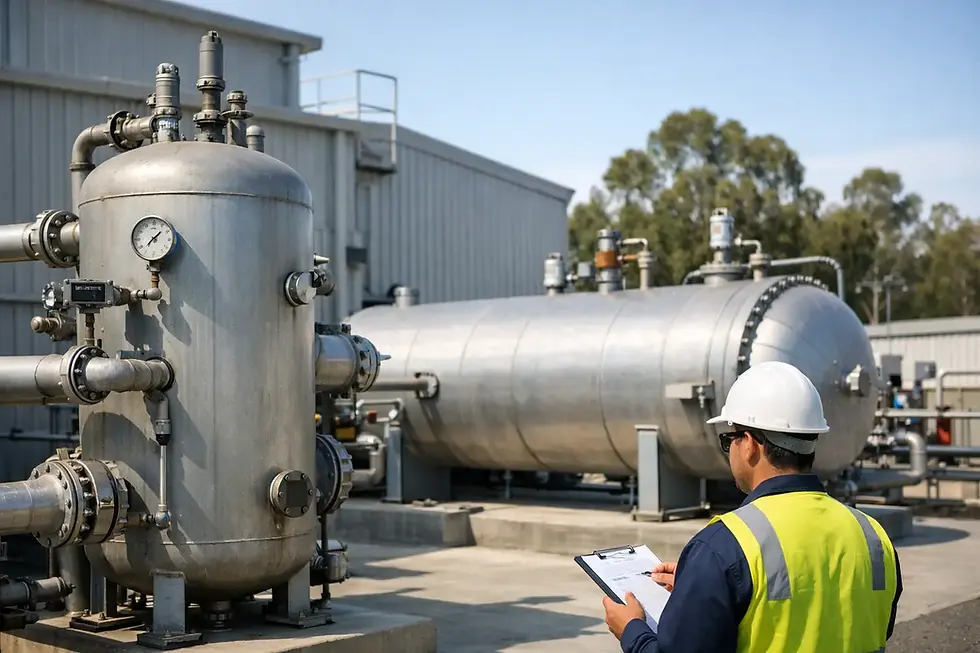
A planned shutdown is often the only practical opportunity to inspect pressure equipment where degradation occurs out of sight: beneath insulation, inside vessels, at tube surfaces, around nozzles and within protective devices. Effective shutdown inspection priorities therefore need to be set before plant is isolated, drained and opened. The objective is not simply to complete an inspection scope. It is to obtain defensible evidence that supports safe operation, AS 3788 compliance and an informed decision on return to service.
For boilers, pressure vessels and associated pressure equipment, the highest-value shutdown work is driven by condition, consequence of failure and the quality of previous inspection information. A fixed checklist has a role, but it cannot replace engineering judgement where plant history indicates a developing damage mechanism.
Set shutdown inspection priorities from risk and history
The first priority is to review the equipment file well before the shutdown window. Inspection reports, certificates, repair records, thickness data, operating logs, relief device records and previous recommendations should be assessed together. This establishes whether the shutdown is routine, whether an inspection interval is approaching, and whether previous observations require close-out.
Particular attention should be given to changes since the last inspection. A vessel that has experienced altered process chemistry, increased cycles, extended operating temperature or a change in duty may no longer be subject to the same degradation rates. Similarly, repeated nuisance lifting of a safety valve, unexplained pressure loss, boiler water-quality excursions or recurring leaks at flanges can be indicators that warrant a more targeted scope.
Priority should increase where a known mechanism has the potential to progress without obvious external signs. Examples include general and localised corrosion, corrosion under insulation, erosion, fatigue cracking, stress corrosion cracking, hydrogen damage, refractory deterioration and boiler tube wastage. The applicable mechanisms depend on the equipment design, materials, service fluid, operating conditions and environment. They should not be assumed solely from the equipment type.
A competent in-service inspector can use this review to distinguish between work that is mandatory for certification, work needed to resolve known concerns, and optional work that may be useful if access and shutdown duration allow. This distinction assists maintenance teams to protect critical inspection activities when the schedule becomes compressed.
Prioritise access before the shutdown begins
Many inspection limitations are created before an inspector arrives on site. Restricted access, incomplete cleaning, residual product, wet internal surfaces and insulation left in place can prevent meaningful examination. Once the shutdown is underway, correcting these limitations may require additional permits, labour or lost production time.
Inspection access should be considered at the planning stage for every pressure item. This includes manway entry, safe scaffold access, removal of inspection covers, lighting, ventilation, vessel cleaning and drainage. For insulated vessels and pipework, the inspection plan should identify locations where insulation needs to be removed, based on credible corrosion-under-insulation risk rather than wholesale stripping without purpose.
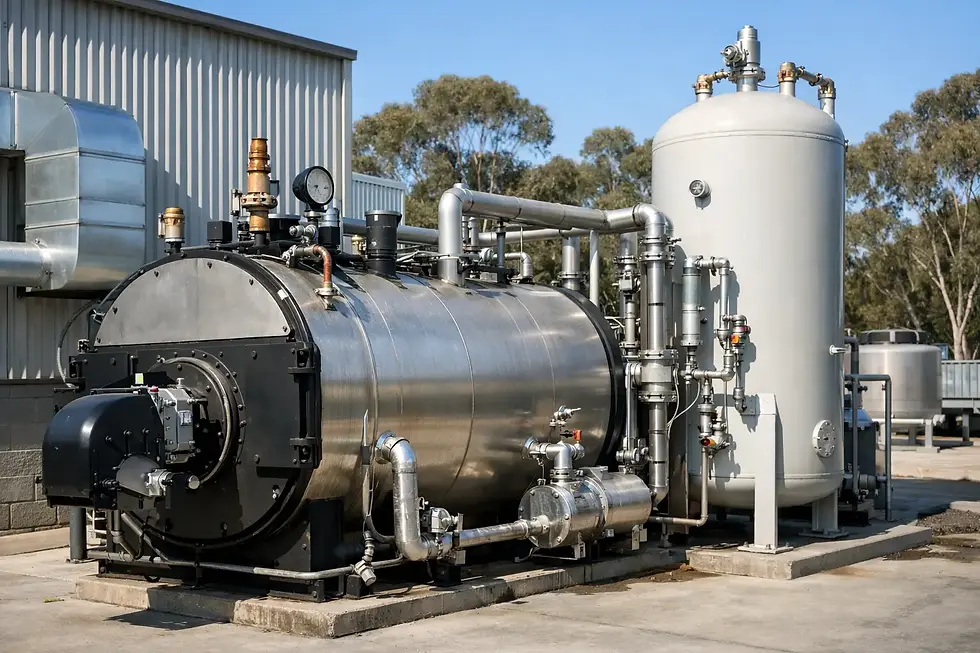
For boilers, scope planning should account for access to steam and water spaces, furnace and tube surfaces, mud drums where fitted, safety valves, controls and associated piping. External surfaces at supports, saddles, skirts, penetrations and areas exposed to moisture require attention because these locations can retain water and conceal corrosion.
Isolation arrangements also matter. Equipment must be safely isolated, depressurised, vented and, where required, gas freed before examination or entry. Inspection planning must align with the site permit system and confined-space controls. No inspection priority justifies compromising the controls required to protect personnel.
Focus internal examination on credible damage locations
An internal inspection provides information that external examination cannot. It can reveal deposits, lining failure, corrosion morphology, weld condition, cracking, distortion and evidence of process upset. However, internal access alone is not sufficient. The examination must concentrate on locations where the equipment's operating history makes damage plausible.
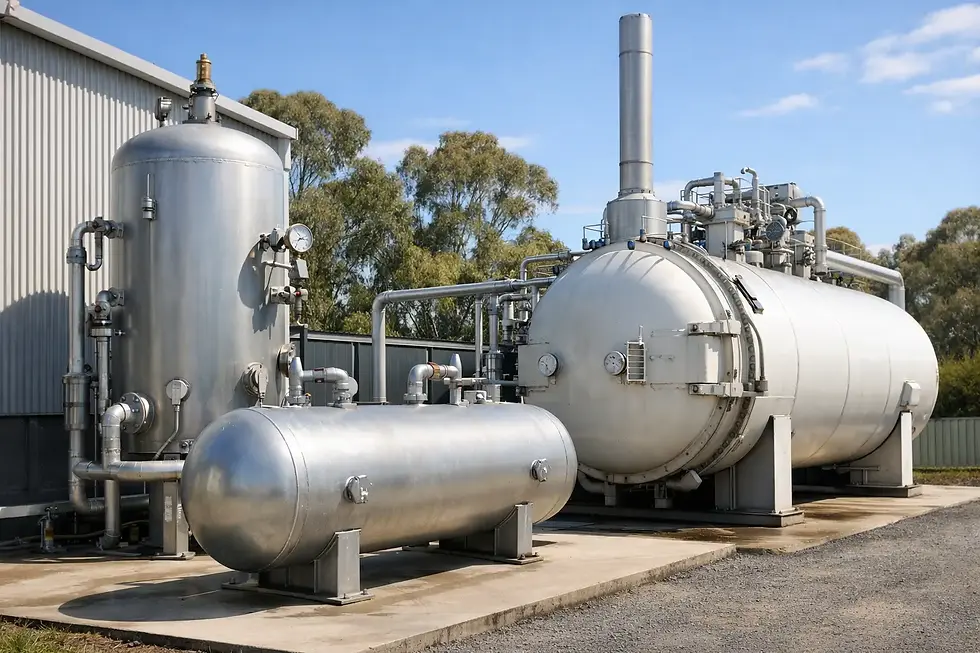
For a pressure vessel, these may include liquid-vapour interfaces, inlet impingement zones, low points, drain connections, nozzle reinforcement areas, dissimilar-metal interfaces, support attachments and weld heat-affected zones. For equipment handling corrosive or contaminated fluids, the condition of linings, coatings and internal cladding may be central to the inspection decision.
For boilers, priority areas commonly include furnace and tube surfaces, tube-to-drum connections, water-side deposits, areas affected by poor circulation, steam separators, blowdown connections and components exposed to thermal cycling. Boiler water-treatment records are particularly relevant. Deposits and corrosion products can indicate a water chemistry issue that requires action beyond the immediate inspection finding.
Visual examination remains fundamental, but it should be supported by non-destructive testing where visual evidence, previous measurements or service conditions justify it. Ultrasonic thickness testing can establish remaining wall thickness and identify local thinning. Surface examination methods may be appropriate for suspected cracking. The method, extent and acceptance basis should be selected for the damage mechanism and equipment condition, not used merely because it is available.
Treat pressure-relief devices and controls as return-to-service items
A vessel shell may appear satisfactory while its protective devices are not fit for service. Shutdown inspection priorities should therefore include safety valves, pressure-relief valves, pressure and temperature controls, alarms, interlocks and indication devices relevant to the safe operating envelope.
The required scope depends on the equipment, its service, site procedures and the applicable regulatory and inspection requirements. At a minimum, records should demonstrate that protective devices have been maintained, tested or serviced at appropriate intervals and are correctly identified for the equipment they protect. Set pressure, capacity, discharge arrangements, isolation status and evidence of tampering or corrosion should be considered.
Boiler controls deserve particular discipline because failures in level control, low-water protection, combustion safeguards or pressure control can have severe consequences. A shutdown is an appropriate time to confirm that maintenance findings, functional testing and inspection records are consistent. Where deficiencies are identified, the decision to return the boiler to service should be based on evidence, not production pressure.
Verify repairs, alterations and outstanding recommendations
Shutdown periods often combine inspection work with repairs. This creates a clear need to separate an observed defect from an approved repair method and final verification. Grinding, patching or welding without appropriate assessment can alter local stresses, remove material or introduce new defects.
Repairs and alterations to pressure equipment require proper engineering consideration, qualified procedures where applicable, traceable materials, examination and documentation. Equipment built or repaired under ASME or National Board-related requirements may also require specific inspection and documentation pathways. The original design standard, service duty and jurisdictional requirements need to be understood before work begins.
Outstanding actions from prior inspections should be reviewed as a discrete shutdown task. If a previous report called for monitoring, thickness checks, repair or operating restrictions, the inspection team should confirm the action taken and whether the evidence is adequate. Deferring a recommendation without a documented engineering basis can weaken the integrity of the inspection record and leave a known risk unmanaged.
Make the certification decision evidence-based
The end of a shutdown can create pressure to close permits, remove scaffolds and restart production. That is precisely when inspection findings need to be recorded clearly, assessed objectively and communicated to the responsible asset owner. An inspection report should identify the equipment examined, the extent and limitations of inspection, findings, test results, recommendations and any conditions affecting continued operation.
Certification under AS 3788 is not a routine administrative step. It relies on sufficient evidence that the equipment has been inspected at the required interval, its condition has been assessed, and any necessary actions have been addressed. Where inspection access is limited or a defect requires further evaluation, that limitation should be explicit. A qualified inspector may recommend further examination, monitoring, repair, derating or restrictions before a return-to-service decision can be supported.
Independent advice is particularly valuable when shutdown decisions involve competing priorities. An inspector with no commercial interest in repair scope or production outcomes can provide an impartial assessment of condition and compliance. Pressure Vessel Inspections Pty Ltd applies this approach through AICIP-accredited in-service inspection capability, supported by AS 3788 knowledge, ASME and National Board experience, and an ISO 9001:2015 quality system.
Before the shutdown scope is frozen, ensure the inspection plan answers one practical question for every critical item: what evidence will demonstrate that this equipment can safely return to duty? That question keeps access, testing, repairs and certification aligned with the operational decision that matters most.
Comments